
Storm Damage Roofing in Central Texas
Roofing Solutions After Hail, Wind, and Severe Storms
Severe weather can leave your roof vulnerable to leaks, damaged shingles, and other problems that threaten your property’s protection. Hail, strong winds, and heavy rainfall can damage roofing materials in different ways, and some problems may not become visible until water enters the building.
At Texas Roofing Experts, we bring 15+ years of roofing experience to help property owners understand storm-related roofing problems and explore appropriate solutions. Whether your roof has missing shingles, visible hail damage, damaged flashing, or leaks following a storm, understanding the extent of the damage is an important first step.
We serve homeowners and businesses throughout Central Texas, including Georgetown, Hutto, Taylor, Liberty Hill, Leander, Pflugerville, Cedar Park, Round Rock, Bastrop, Elgin, Buda, and Kyle.
Dealing With Storm Damage?
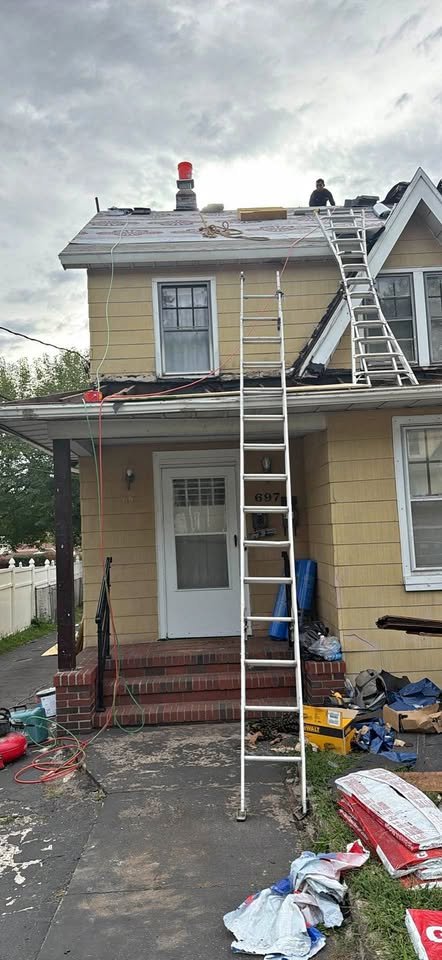
Common Types of Storm Damage to Roofs
Storm damage can affect different parts of a roofing system. The appropriate response depends on the roofing material, the severity of the weather, and the condition of the roof before the storm.
Hail Damage
Hailstones can strike shingles, metal roofing, flashing, gutters, and other exposed components. Depending on the material and impact, hail may cause visible marks, granule loss, dents, cracks, or other damage.
Not all hail damage looks the same. Some effects may be difficult to identify from the ground, and the appearance of a roof alone does not always establish whether its protective performance has been compromised.
If your property has experienced a hailstorm, avoid assuming that a complete roof replacement is necessary. The extent of the damage and the condition of the existing roofing system should guide the decision.
Wind Damage
Strong winds can lift, loosen, crease, or remove shingles. Wind can also affect roof edges, ridge caps, flashing, and other vulnerable components.
Missing or displaced roofing materials may expose the underlying layers to rain and further deterioration. After a windstorm, look for visible debris or missing shingles from a safe location rather than climbing onto the roof.
Roof Leaks After Heavy Rain
Heavy rainfall can reveal weaknesses around roof valleys, flashing, vents, chimneys, skylights, and other roof penetrations. Water may travel through the roof assembly before appearing as a ceiling stain or damp area indoors.
A new leak following a storm does not necessarily mean the entire roof has failed. Identifying the source of the water intrusion helps determine whether a localized repair or more extensive work may be needed.
Fallen Branches and Impact Damage
Tree limbs and flying debris can damage roofing materials during severe weather. A significant impact may also affect the roof deck or underlying structure.
If a large branch has landed on your roof, keep away from the affected area and avoid attempting to remove it yourself. Visible sagging, structural movement, or other signs of serious damage require immediate attention.
Damaged Flashing and Roof Components
Storms can expose weaknesses around flashing, vents, roof edges, and other components that help keep water out of a building.
Even when the main roofing material appears intact, damaged connections or displaced components can create opportunities for water intrusion. These areas should be considered when determining the extent of storm-related roof damage.
Signs Your Roof May Have Storm Damage
Some storm damage is immediately visible, while other problems may develop gradually. Knowing what to look for can help you decide when to seek further assistance.
Common warning signs include:
- Missing, lifted, cracked, or creased shingles
- Visible dents or damage to metal roofing components
- Shingle granules collecting around downspouts
- Damaged gutters, flashing, or roof edges
- Water stains on ceilings or walls after rainfall
- Damp insulation or unexplained moisture in the attic
- Roofing debris or fallen branches around the property
- New leaks following hail or high winds
- Visible sagging or damage around the roof structure
These signs do not all indicate the same level of damage. For example, granule accumulation may occur as shingles age, while ceiling stains may have causes unrelated to the roof. The surrounding conditions and actual state of the roofing system matter when determining the next step.
Storm Damage Roofing for Central Texas Weather
Central Texas properties experience a range of weather conditions that can affect roofing materials throughout the year. Hail, strong winds, intense summer heat, and heavy rainfall can contribute to roofing damage or worsen existing weaknesses.
Hailstorms and Roofing Materials
Hail can affect asphalt shingles and other roofing products differently. The size and characteristics of the hail, the roofing material, and the roof’s existing condition all influence the potential damage.
Homeowners comparing replacement materials may wish to consider products with documented impact-resistance ratings. However, impact-resistant roofing is not hail-proof, and no rating guarantees that damage will never occur.
High Winds and Exposed Roof Areas
Wind can place stress on shingles, roof edges, ridge caps, and flashing. Installation quality, fastening methods, roof design, and material specifications all influence how a roofing system performs during high winds.
If wind has removed roofing materials, addressing exposed areas promptly can help reduce the risk of additional water intrusion.
Heavy Rain and Drainage Problems
Severe rainfall can expose weaknesses in flashing, roof valleys, drainage components, and other vulnerable areas. Blocked or damaged drainage pathways may also contribute to water accumulation.
After a storm, pay attention to new leaks and visible drainage problems. Do not climb onto a wet or damaged roof to investigate.
Heat and Existing Roof Deterioration
Central Texas heat and ultraviolet exposure can contribute to the aging of roofing materials over time. A roof that already has deteriorating shingles, weakened seals, or other existing problems may need additional attention after severe weather.
Understanding the roof’s condition before and after a storm helps distinguish storm-related damage from ordinary wear where possible.
What to Do After Storm Damage to Your Roof
Taking appropriate steps after severe weather can help protect your property while you determine the next course of action.
Prioritize Safety
Stay away from damaged roof areas, hanging debris, unstable structures, and downed power lines. Do not climb onto the roof, especially when surfaces are wet, materials are loose, or severe weather may continue.
If there is an immediate threat to occupants or structural stability, move to a safer location and contact the appropriate emergency services.
Look for Visible Damage From the Ground
When conditions are safe, check for missing shingles, fallen branches, damaged gutters, or other visible changes around the property. You can also look for new water stains or leaks inside the building without entering unsafe areas.
A ground-level view cannot establish the full extent of roof damage, but it can help you identify concerns that require attention.
Document the Damage
Take photographs or videos of visible damage from a safe location. Record interior water stains, affected belongings, fallen debris, and other relevant conditions.
If you plan to contact your insurer, keep copies of these records and any related communications.
Take Safe Steps to Limit Further Damage
Move belongings away from leaking areas if it is safe to do so. Use containers to collect manageable drips, but avoid contact with water near electrical equipment.
Do not attempt to apply tarps, remove branches, or make roof repairs yourself when access is dangerous. Temporary protection should be handled by appropriately equipped professionals when necessary. For urgent situations, see emergency roof repair.
Explore Repair or Replacement Options
Once the damage has been evaluated, review the recommended work and the reasons for it. Depending on the roof’s condition, the appropriate solution may involve replacing damaged materials, repairing vulnerable components, providing temporary protection, or considering a full replacement.
Ask for a clear explanation of the proposed scope, costs, and any additional work that may be required. Learn more about roof repair and roof replacement.
Storm Damage Roof Repair vs. Roof Replacement
A storm does not automatically mean that your entire roof needs to be replaced. The appropriate solution depends on the extent of the damage, the roofing material, and the overall condition of the system. Property owners replacing a storm-damaged roof may also explore metal roofing.
When Roof Repair May Be Appropriate
Targeted repairs may be worth considering when:
- Damage is limited to specific sections.
- The surrounding roofing materials remain in serviceable condition.
- Damaged shingles or flashing can be replaced or repaired.
- The underlying roof system remains suitable for continued use.
The repair should address the cause of the problem rather than only the visible symptom.
When Roof Replacement May Be Worth Considering
A full replacement may be appropriate to evaluate when:
- Storm damage affects a substantial portion of the roof.
- Roofing materials have widespread deterioration.
- Multiple areas have recurring leaks.
- The roof was already nearing the end of its useful life.
- Repairs are unlikely to provide a practical long-term solution.
A roof’s age, previous repairs, material type, and underlying condition all matter when comparing options. A decision should not be based solely on the fact that a storm occurred.
Does Homeowners Insurance Cover Storm Damage to a Roof?
Whether insurance covers storm-related roof damage depends on your policy, the cause of the damage, applicable exclusions, deductibles, and claim requirements.
If you suspect your roof has been damaged by hail or wind, consider the following steps:
- Review your policy: Understand the relevant coverage, deductible, exclusions, and reporting requirements.
- Document visible damage: Keep photographs and records from a safe location.
- Contact your insurer: Ask about the claim process and the documentation required.
- Keep written estimates: Retain proposed repair or replacement scopes, costs, and related communications.
- Review recommendations carefully: Make sure you understand what work is proposed and why.
Insurance coverage varies. Normal aging, maintenance-related deterioration, and sudden storm damage may be treated differently under a policy.
Do not assume that every storm-related roofing problem will be covered or that an insurer will approve a full replacement. Make decisions based on the policy terms, documented conditions, and appropriate professional guidance.
Storm Damage Roofing for Residential and Commercial Properties
Storms can affect homes and commercial buildings in different ways. The appropriate response depends on the building’s design, roofing system, use, and exposure to the weather.
Residential Storm Damage Roofing
Residential storm damage can involve missing shingles, leaks, damaged flashing, or impact damage from fallen branches. The priority is to understand the condition of the roof and determine whether repair or replacement is appropriate.
Homeowners should also consider interior water damage, insulation concerns, and any immediate safety issues. Learn more about residential roofing.
Commercial Storm Damage Roofing
Commercial properties may have low-slope membranes, metal roofing, rooftop HVAC equipment, drains, and other components that require different repair considerations.
Storm-related damage can disrupt building operations or affect inventory, equipment, and interior spaces. Evaluating the roofing system, drainage, and vulnerable connections helps determine the scope of work that may be required. Learn more about commercial roofing.
Storm Damage Roofing Across Central Texas
Texas Roofing Experts serves property owners throughout Central Texas, including the following communities. Explore your city’s page for information about local roofing needs and available services.
- Storm Damage Roofing in Georgetown
- Storm Damage Roofing in Hutto
- Storm Damage Roofing in Taylor
- Storm Damage Roofing in Liberty Hill
- Storm Damage Roofing in Leander
- Storm Damage Roofing in Pflugerville
- Storm Damage Roofing in Cedar Park
- Storm Damage Roofing in Round Rock
- Storm Damage Roofing in Bastrop
- Storm Damage Roofing in Elgin
- Storm Damage Roofing in Buda
- Storm Damage Roofing in Kyle
Frequently Asked Questions About Storm Damage Roofing
How do I know if my roof has hail damage?
Visible signs may include damaged shingles, dents in metal components, or other changes following a hailstorm. Some damage is difficult to identify from the ground, and the appearance of a roof does not always establish whether its performance has been affected. An appropriate assessment can help determine the next step.
Can strong winds damage a roof without removing shingles?
Yes. Wind can loosen or crease shingles, affect flashing, or damage roof-edge components without removing large sections of material. The extent of any damage depends on the roofing system and weather conditions.
Should I replace my roof after a hailstorm?
Not necessarily. Some roofs may need targeted repairs, while others may have damage extensive enough to justify considering replacement. The decision should be based on the actual condition of the roofing system and the extent of the damage.
How quickly should storm-damaged roofing be addressed?
The urgency depends on the severity of the damage. Active leaks, exposed roof areas, and structural concerns warrant prompt attention. Avoid accessing a damaged roof yourself, particularly during or after severe weather.
Can I temporarily cover a damaged roof?
Temporary protection may be appropriate in some circumstances, but the method depends on the damage and safety conditions. Do not climb onto a wet, unstable, or storm-damaged roof to install a tarp yourself.
Will insurance pay for hail damage to my roof?
Coverage depends on your policy, deductible, exclusions, and the circumstances of the damage. Contact your insurer to understand the claim process and documentation requirements.
What should I do if my roof leaks after a storm?
Keep away from unsafe areas, protect belongings where possible, and avoid touching electrical equipment near water. Document visible damage safely and arrange appropriate assistance to determine the source of the leak.
Can a commercial roof suffer storm damage?
Yes. Hail, wind, and heavy rainfall can affect commercial membranes, metal panels, flashing, drains, and rooftop equipment. The appropriate response depends on the roof system and the extent of the damage.
Take the Next Step After Storm Damage
Storm damage can leave you with important decisions about your roof, your property, and the cost of repairs. Understanding the extent of the damage helps you compare solutions and make an informed decision.
At Texas Roofing Experts, we bring 15+ years of roofing experience to the Central Texas roofing market. Whether you’re dealing with hail damage, wind-damaged shingles, a roof leak after heavy rain, or concerns about a commercial roofing system, we’re here to help you explore the next step.
Tell us where your property is located and what happened to your roof so you can get started with your roofing inquiry.