
Residential Roofing Services in Central Texas
Residential Roofing Solutions for Central Texas Homes
Your roof plays an essential role in protecting your home from heat, rain, wind, and severe weather. Whether you’re dealing with damaged shingles, a persistent leak, or an aging roofing system, choosing the right residential roofing solution can help protect your property and maintain its long-term condition.
At Texas Roofing Experts, we understand that every home has different roofing needs. With 15+ years of roofing experience, we focus on helping homeowners understand their options for roof repair, roof replacement, storm damage, and other residential roofing concerns.
From Georgetown and Hutto to Cedar Park, Round Rock, Buda, and Kyle, we serve homeowners throughout Central Texas with roofing information and solutions tailored to their properties.
Need help with your home’s roof?
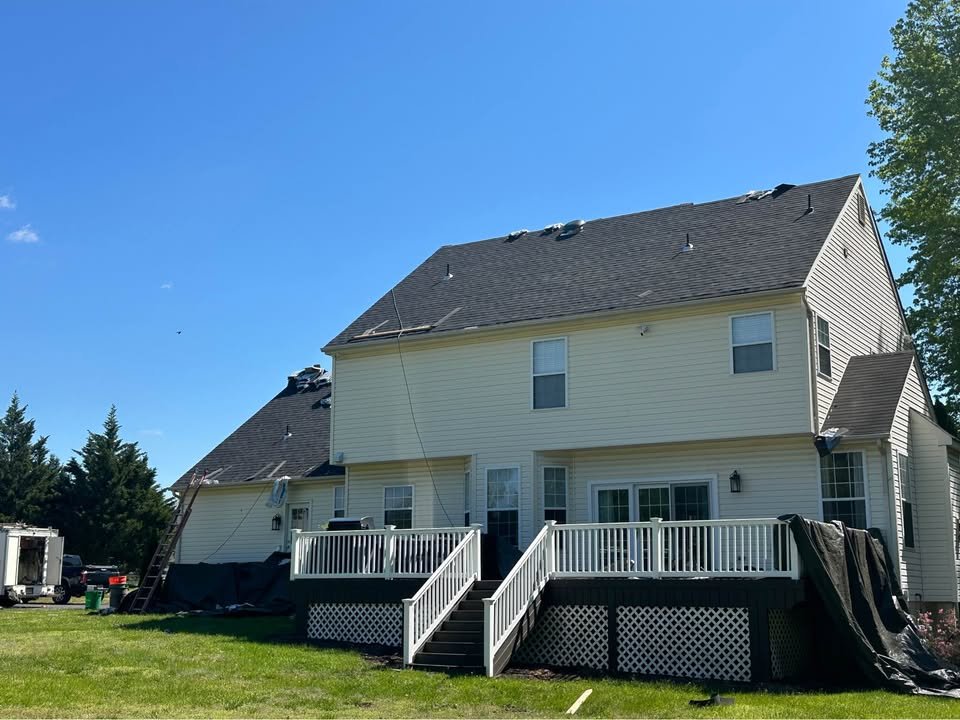
Our Residential Roofing Services
Residential roofs can develop problems for several reasons, including material aging, weather exposure, installation issues, and storm damage. Understanding the condition of your roof helps you determine which solution may be appropriate. Property owners with a business can also explore commercial roofing.
Residential Roof Repair
A damaged roof does not always require complete replacement. Localized problems, such as missing shingles, deteriorated flashing, or isolated leaks, may be suitable for targeted repairs when the surrounding roof remains in good condition.
Our residential roofing focus includes common concerns such as:
- Roof leaks and water intrusion
- Missing, cracked, or curling shingles
- Damaged flashing around vents and chimneys
- Wind-related roofing damage
- Signs of deterioration around roof penetrations
The appropriate repair depends on the source of the problem and the condition of the existing roofing system.
Residential Roof Replacement
When a roof has widespread deterioration, recurring leaks, or extensive storm damage, replacement may be worth considering. A new roof can let you update roofing materials and address related issues with flashing, ventilation, or the underlying roof deck.
Before choosing a replacement, consider the roof’s age, existing material, condition, budget, and the performance characteristics of the available options.
Storm and Hail Damage Roofing
Central Texas homes can experience hail, strong winds, and heavy rainfall. These conditions may damage shingles, flashing, gutters, and other roof components.
After severe weather, visible signs such as missing shingles, displaced roofing materials, or debris may indicate a problem. However, not all damage is obvious from the ground.
If you suspect storm damage, avoid climbing onto the roof. A professional assessment can help establish the extent of the damage and whether repairs or replacement should be considered.
Residential Roof Inspections
Roof inspections can help homeowners understand the condition of their roofing systems. They can help when investigating a leak, evaluating visible deterioration, assessing possible storm damage, or considering a roof replacement.
Areas of attention can include shingles, flashing, roof valleys, vents, drainage components, and other accessible roofing elements.
Inspection findings can help you understand which concerns require attention and which options may be appropriate for your home.
Emergency Residential Roofing
Unexpected roof damage can expose your home to water intrusion and additional property damage. A sudden leak, fallen branch, or storm-damaged roof may require prompt attention.
If water is entering your home, move belongings away from the affected area when safe and avoid contact with wet electrical equipment. Do not attempt to access a damaged roof yourself.
The right response depends on the severity of the damage, weather conditions, and the property’s safety.
Choosing the Right Roofing Material for Your Home
The roofing material you choose affects your home’s appearance, maintenance requirements, and performance under local weather conditions. The best option depends on your property, budget, roof design, and installation requirements.
Asphalt Shingle Roofing
Asphalt shingles are a common residential roofing option because they are available in different colors, styles, and performance ratings.
When comparing products, consider their expected service life, wind-resistance specifications, impact-resistance ratings, manufacturer requirements, and warranty terms.
Architectural Shingles
Architectural shingles offer a dimensional appearance and are available in a variety of styles. Some products have performance ratings designed for particular weather conditions.
Product specifications vary, so compare the manufacturer’s installation requirements and performance documentation rather than assuming all architectural shingles offer the same protection.
Metal Roofing
Metal roofing may suit homeowners looking for a different appearance or roofing system. Options include standing-seam systems and exposed-fastener panels, each with different design, installation, and maintenance considerations.
Before selecting metal roofing, consider your home’s structure, roof pitch, drainage, appearance preferences, and budget. Learn more about metal roofing.
Impact-Resistant Roofing
Homeowners concerned about hail may wish to compare roofing products designed and tested for impact resistance. Certain products carry a Class 4 impact-resistance classification under a specified test standard.
Impact-resistant materials are not hail-proof, and actual performance depends on multiple factors. Insurance discounts, where available, depend on the insurer and policy requirements.
How Central Texas Weather Affects Residential Roofs
Central Texas weather can place different demands on residential roofing materials throughout the year. Understanding these conditions can help homeowners make informed decisions about roof maintenance and material selection.
Heat and Sun Exposure
Prolonged heat and ultraviolet exposure can contribute to the aging of roofing materials. Over time, some shingles may show granule loss, cracking, curling, or other signs of deterioration.
Choosing suitable materials and maintaining the roofing system can help address the effects of long-term weather exposure.
Hail and Strong Winds
Hail can affect shingles and other roof components, while strong winds may loosen or remove roofing materials. After severe weather, pay attention to visible changes and investigate any signs of water intrusion.
Do not assume that a roof is undamaged simply because there is no immediate leak.
Rainfall and Drainage
Roof valleys, flashing, gutters, and downspouts all play roles in managing water around a home. Blocked drainage pathways or deteriorated roof components can contribute to moisture problems.
Keeping drainage systems maintained, where safely accessible, and addressing visible damage can help reduce avoidable roofing concerns.
Signs Your Home May Need Roofing Attention
Recognizing roofing problems early can help you understand when further evaluation may be necessary.
Look for these warning signs:
- Water stains on ceilings or walls
- Missing, cracked, or curling shingles
- Granules accumulating in gutters
- Visible damage after hail or strong winds
- Repeated leaks in the same area
- Damaged flashing around roof openings
- Damp insulation or unexplained attic moisture
- Sagging areas that may indicate a structural concern
- Roofing materials showing widespread deterioration
These symptoms can have different causes. For example, a ceiling stain may result from a roof leak or another source of moisture. A qualified professional can help investigate the problem and determine an appropriate next step.
Our Approach to Residential Roofing
Choosing a roofing solution involves more than selecting materials. Understanding the existing roof, the problem that needs attention, and the available options helps homeowners make informed decisions.
Understand the Roofing Concern
Start by identifying the issue affecting your home, whether it is a leak, visible material damage, storm-related concerns, or general deterioration.
Evaluate the Available Options
Consider the roof’s condition, the extent of any damage, the material involved, and whether repair or replacement is appropriate.
Compare Materials and Estimates
Review the proposed scope of work, roofing materials, installation requirements, expected costs, and applicable warranty terms before making a decision.
Plan the Next Steps
Once you understand the recommended solution, review the project details, scheduling considerations, and any preparation needed around your property.
Residential Roofing Across Central Texas
Texas Roofing Experts serves homeowners throughout the following Central Texas communities. Explore your city’s page for more information about local roofing needs and available services.
- Residential Roofing in Georgetown
- Residential Roofing in Hutto
- Residential Roofing in Taylor
- Residential Roofing in Liberty Hill
- Residential Roofing in Leander
- Residential Roofing in Pflugerville
- Residential Roofing in Cedar Park
- Residential Roofing in Round Rock
- Residential Roofing in Bastrop
- Residential Roofing in Elgin
- Residential Roofing in Buda
- Residential Roofing in Kyle
Frequently Asked Questions About Residential Roofing
How long does a residential roof last?
Roof lifespan varies according to the roofing material, installation quality, ventilation, maintenance, and weather exposure. Consult the manufacturer’s documentation for expected service life and have the roof’s condition evaluated when signs of deterioration appear.
Should I repair or replace my home's roof?
A repair may be appropriate when damage is limited and the surrounding roof remains in good condition. Replacement may be worth considering when deterioration is widespread, leaks keep recurring, or the roof is approaching the end of its useful life.
What is the most common residential roofing material?
Asphalt shingles are widely used on residential properties. Other options, including metal roofing, may also suit particular homes. The right choice depends on the property’s requirements, budget, design, and material specifications.
Can hail damage my roof without causing a leak?
Yes. Hail can affect roofing materials without producing immediate water intrusion. If your property experiences a significant hailstorm, a professional assessment can help identify visible damage and determine whether further action is needed.
How much does residential roof replacement cost in Central Texas?
Costs depend on roof size, pitch, complexity, material selection, removal requirements, underlying damage, and installation needs. Request a detailed estimate that clearly explains the proposed work and any exclusions.
Does homeowners insurance cover residential roof damage?
Coverage depends on your policy, the cause of the damage, exclusions, and deductible. Contact your insurer to understand the terms of your policy and any documentation required for a claim.
Find the Right Residential Roofing Solution
Your home’s roof deserves careful consideration, whether you need to address a leak, evaluate storm damage, compare roofing materials, or plan a complete replacement.
At Texas Roofing Experts, our goal is to make it easier to understand residential roofing options and determine the next step for your home. Explore our services, review the considerations relevant to your roof, and submit your roofing inquiry.
Tell us about your property and roofing needs to get started.