
Commercial Roofing Services in Central Texas
Commercial Roofing Solutions for Businesses and Property Owners
Your commercial roof protects more than a building. It helps safeguard equipment, inventory, interior spaces, and daily business operations. When leaks, storm damage, or aging roofing materials create problems, finding the right roofing solution becomes an important part of protecting your property.
At Texas Roofing Experts, we understand the different requirements of commercial roofing systems. With 15+ years of roofing experience, we focus on practical solutions for commercial roof repair, replacement, inspections, and storm-related roofing concerns.
Whether you own a retail property, office building, warehouse, or another commercial facility, your roof deserves careful attention. We serve businesses and property owners throughout Central Texas, including Georgetown, Hutto, Cedar Park, Leander, Round Rock, Pflugerville, Taylor, and surrounding communities.
Need Commercial Roofing Services?
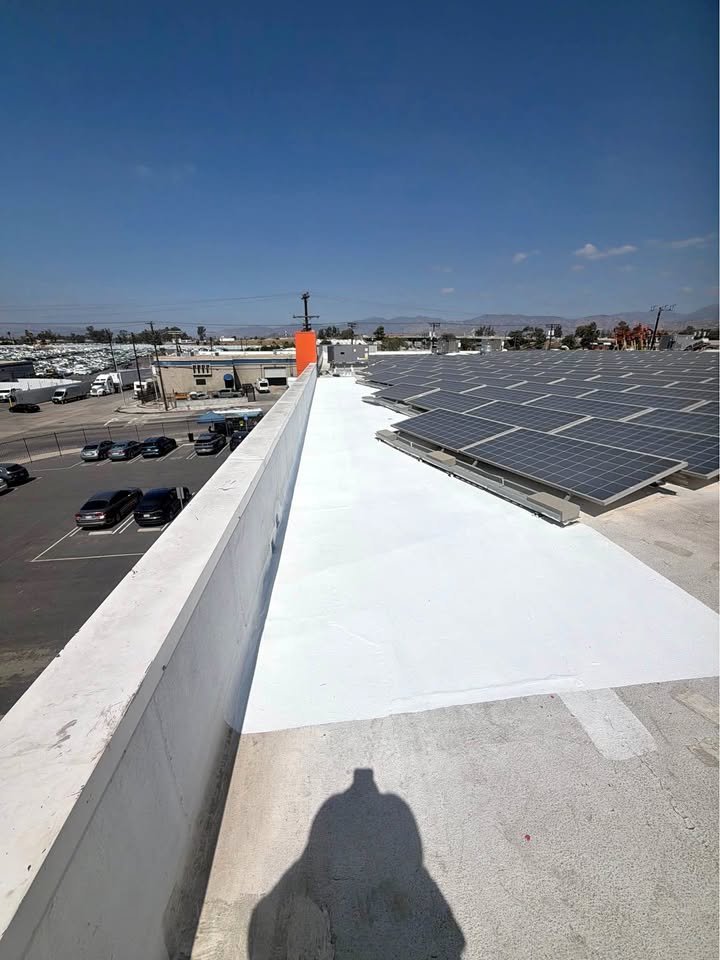
Comprehensive Commercial Roofing Services
Commercial roofing systems differ in design, materials, drainage, and maintenance requirements. Understanding the condition of your existing roof is essential when deciding whether repairs, restoration, or replacement may be appropriate. For homes, see residential roofing.
Commercial Roof Repair
Even a small roof leak can disrupt business operations and damage interior materials or equipment. Commercial roofing problems may develop around seams, flashing, drainage areas, rooftop equipment, or deteriorated roofing materials.
Commercial roof repair may address:
- Leaks and water intrusion
- Damaged roofing membranes
- Deteriorated flashing
- Open seams and compromised seals
- Storm-related roof damage
- Localized deterioration around rooftop equipment
- Drainage-related roofing concerns
The appropriate repair depends on the roof system, the source of the problem, and the extent of the damage. See also our general roof repair information.
Commercial Roof Replacement
When a commercial roofing system has extensive deterioration, recurring leaks, or damage that makes continued repairs impractical, roof replacement may be worth considering.
A commercial roof replacement involves evaluating the existing roofing system, underlying materials, drainage design, insulation, and other building requirements.
Material selection and project planning should account for the property’s use, roof structure, energy requirements, maintenance needs, and long-term costs. Learn more about roof replacement.
Flat Roof Repair and Replacement
Low-slope and flat roofing systems are common on many commercial properties. Although often called flat roofs, these systems require appropriate slope and drainage to move water away from the roof surface.
Problems can develop around membrane seams, penetrations, drains, flashing, and areas where water remains for extended periods.
Addressing these concerns requires an understanding of the specific roofing system and its installation requirements.
Commercial Roof Inspections
A commercial roof inspection can help identify visible deterioration, damaged membranes, drainage concerns, flashing problems, and other conditions that may require attention.
Inspections can be useful after severe weather, when investigating leaks, during property evaluations, or as part of ongoing maintenance planning.
Storm Damage Commercial Roofing
Hail, high winds, and heavy rainfall can affect commercial roofing materials and rooftop components.
After severe weather, damage may include punctures, displaced materials, damaged flashing, or problems around rooftop equipment.
Documenting visible damage and arranging an appropriate assessment can help property owners determine the next steps. See storm damage roofing for more on post-storm assessments.
Commercial Roof Maintenance
Commercial roofs benefit from appropriate maintenance because small problems can become more disruptive when left unaddressed.
Maintenance considerations may include clearing accessible drainage components, monitoring seams and flashing, checking rooftop penetrations, and addressing visible deterioration.
The appropriate maintenance schedule depends on the roofing system, manufacturer guidance, building conditions, and weather exposure.
Types of Commercial Roofing Systems
Different commercial buildings require different roofing materials and designs. Understanding the available systems can help you compare performance characteristics, installation requirements, and long-term maintenance considerations.
TPO Roofing
Thermoplastic polyolefin (TPO) is a single-ply roofing membrane commonly used on low-slope commercial roofs.
TPO systems are available in different configurations and may offer reflective surface options. Their performance depends on the complete roof assembly, installation quality, seam integrity, and drainage conditions.
When evaluating TPO roofing, consider membrane specifications, insulation, attachment methods, manufacturer requirements, and the property’s design.
EPDM Roofing
Ethylene propylene diene monomer (EPDM) is a synthetic rubber roofing membrane used on many low-slope commercial buildings.
EPDM roofing systems have established installation methods and maintenance requirements. The suitability of a particular system depends on the building’s needs, roof assembly, climate exposure, and project specifications.
Modified Bitumen Roofing
Modified bitumen roofing is an asphalt-based system commonly used on low-slope roofs.
These systems may include multiple layers and different installation methods. Material selection should account for the roof’s design, drainage, maintenance requirements, and manufacturer specifications.
Metal Commercial Roofing
Metal roofing can be suitable for certain commercial buildings, including warehouses, retail properties, and other facilities.
Available systems include standing-seam and exposed-fastener designs. Each has different installation details, maintenance requirements, and performance considerations.
The appropriate option depends on the building’s structure, roof slope, budget, and intended use. Learn more about metal roofing.
Built-Up Roofing
Built-up roofing systems use multiple layers of roofing materials to form a protective assembly.
These systems have different installation and maintenance requirements from single-ply membranes. Their suitability depends on the existing roof, building design, and project specifications.
Common Commercial Roofing Problems
Commercial roofing problems can affect building operations, maintenance costs, and interior conditions. Recognizing potential warning signs can help property owners determine when a professional evaluation is needed.
Persistent Roof Leaks
Leaks may develop around seams, penetrations, flashing, drains, or deteriorated roofing materials.
Because water can travel through roofing assemblies before becoming visible indoors, the location of an interior stain may not identify the actual source of the problem. For urgent leaks, see emergency roof repair.
Ponding Water
Standing water that remains on a low-slope roof can indicate drainage problems, blocked outlets, or inadequate slope.
Persistent ponding may contribute to deterioration in some roofing systems. The significance depends on the roof design, membrane type, duration of standing water, and manufacturer requirements.
Damaged Roofing Membranes
Commercial membranes can experience punctures, tears, seam problems, or deterioration caused by weather exposure and rooftop activity.
Damage should be evaluated in the context of the specific roofing system rather than treated with an unsuitable generic repair.
Flashing and Roof Penetration Problems
Commercial roofs often contain HVAC equipment, vents, pipes, and other penetrations.
Flashing and sealing details around these components are important for preventing water intrusion. Deterioration or movement around penetrations can create vulnerable areas.
Aging Roofing Materials
As commercial roofing systems age, they may require more frequent maintenance and repairs.
Recurring leaks, widespread deterioration, and increasing repair costs can indicate that a broader evaluation is necessary.
Commercial Roofing for Central Texas Weather
Commercial roofs throughout Central Texas experience intense sunlight, high temperatures, severe thunderstorms, hail, and periods of strong wind.
These conditions can influence material selection, roof maintenance, and replacement planning.
Heat and UV Exposure
Prolonged exposure to sunlight and high temperatures can affect roofing materials over time.
When selecting a commercial roofing system, property owners should compare material specifications, thermal performance, insulation requirements, and compatibility with the building’s design.
Hail and Storm Damage
Hail can damage roofing membranes, metal panels, flashing, and rooftop components.
The extent of the damage depends on the roofing system, hail characteristics, roof condition, and other factors. Not every hailstorm requires a full roof replacement.
Wind Resistance
Commercial roof performance during high winds depends on the complete roofing assembly, including attachment methods, perimeter details, and installation requirements.
A suitable roofing system should be selected and installed according to applicable building requirements and manufacturer specifications.
Drainage and Heavy Rainfall
Commercial roofs require properly functioning drainage systems to manage rainfall.
Blocked drains, damaged scuppers, and other drainage concerns can contribute to water accumulation. Maintaining these components is an important part of commercial roof care.
Commercial Roof Repair vs. Replacement
Deciding whether to repair or replace a commercial roof involves evaluating the extent of the damage, the roofing material, the roof’s age, and the costs associated with each option.
Commercial roof repair may be appropriate when
- Damage is limited to specific areas.
- The surrounding roofing system remains in serviceable condition.
- Leaks can be traced to repairable components.
- The existing roof assembly remains suitable for continued use.
Commercial roof replacement may be worth considering when
- Damage affects large sections of the roofing system.
- Leaks recur in multiple locations.
- Roofing materials show widespread deterioration.
- The existing roof has reached the end of its expected service life.
- Repeated repairs are no longer economically practical.
An evaluation can help determine whether targeted repairs, another suitable roofing approach, or replacement should be considered.
How Much Does Commercial Roofing Cost in Central Texas?
Commercial roofing costs depend on the building, roofing system, and project requirements.
Important factors include:
- Roof size: Larger roof areas require additional materials and labor.
- Roofing material: TPO, EPDM, modified bitumen, metal, and other systems have different costs.
- Existing roof condition: Underlying damage may require additional work.
- Insulation requirements: Insulation specifications can affect the project scope.
- Drainage and flashing: Repairs or modifications may be necessary.
- Rooftop equipment: HVAC units, vents, and other penetrations can increase complexity.
- Roof accessibility: Building height, access limitations, and safety requirements can influence costs.
- Removal requirements: Existing roofing materials may need to be removed before replacement.
When reviewing commercial roofing estimates, compare the full scope of work, proposed materials, installation details, exclusions, warranty terms, and project requirements.
A detailed estimate helps you understand the work being proposed and compare your options.
Our Approach to Commercial Roofing Projects
Every commercial roofing project begins with understanding the building’s requirements and the problem that needs attention.
Identify the Roofing Concern
Start by reviewing the visible problem, whether it involves leaks, storm damage, deteriorating materials, or replacement planning.
Evaluate the Roofing System
The existing roof design, material type, drainage, flashing, and other relevant components help determine which options should be considered.
Review the Proposed Solution
Compare repair or replacement recommendations, material specifications, project costs, and expected scheduling considerations.
Plan Around Property Requirements
Commercial roofing projects may require coordination around building access, tenants, equipment, and business operations.
These considerations should be discussed before work begins.
Review Project Documentation
Written estimates, material specifications, warranty documents, and other project records help property owners understand the agreed scope and retain important information for future reference.
Commercial Roofing Services Across Central Texas
Texas Roofing Experts serves commercial property owners throughout the Greater Austin and Central Texas region.
Explore roofing services in your community:
- Commercial Roofing in Georgetown
- Commercial Roofing in Hutto
- Commercial Roofing in Taylor
- Commercial Roofing in Liberty Hill
- Commercial Roofing in Leander
- Commercial Roofing in Pflugerville
- Commercial Roofing in Cedar Park
- Commercial Roofing in Round Rock
- Commercial Roofing in Bastrop
- Commercial Roofing in Elgin
- Commercial Roofing in Buda
- Commercial Roofing in Kyle
Frequently Asked Questions About Commercial Roofing
What is the best roofing material for a commercial building?
The best material depends on the building’s roof slope, structure, use, budget, and performance requirements. TPO, EPDM, modified bitumen, metal, and other systems each have different characteristics.
How long does a commercial roof last?
The expected lifespan varies by roofing system, installation quality, maintenance, and weather exposure. Review the manufacturer’s documentation and evaluate the roof’s actual condition when planning maintenance or replacement.
Can a commercial roof be repaired instead of replaced?
Yes. Localized damage may be suitable for repair when the surrounding roofing system remains in good condition. Extensive deterioration, recurring leaks, or widespread damage may justify considering replacement.
How often should a commercial roof be inspected?
Inspection frequency depends on the roof type, manufacturer guidance, building conditions, and maintenance plan. Additional assessments may be appropriate after severe weather or when leaks develop.
Does commercial property insurance cover roof damage?
Coverage depends on the insurance policy, cause of damage, exclusions, deductibles, and other terms. Property owners should contact their insurer to understand their coverage and documentation requirements.
How long does commercial roof replacement take?
Project duration depends on roof size, complexity, material selection, weather, building access, and any underlying repairs. Request a project-specific schedule when reviewing the proposed scope of work.
Can roofing work affect business operations?
Yes. Commercial roofing work can involve noise, equipment, material deliveries, restricted access, and other temporary disruptions. Planning around the property’s operating requirements can help reduce avoidable interruptions.
Get Started With Your Commercial Roofing Project
Whether you’re dealing with a leaking commercial roof, evaluating storm damage, or planning a complete replacement, understanding your options is the first step toward protecting your property.
At Texas Roofing Experts, we focus on roofing solutions that address your building’s needs, budget, and long-term performance considerations.
From office buildings and retail properties to warehouses and other commercial facilities, we’re here to help you move forward with confidence.
Tell us about your property and roofing needs to get started.